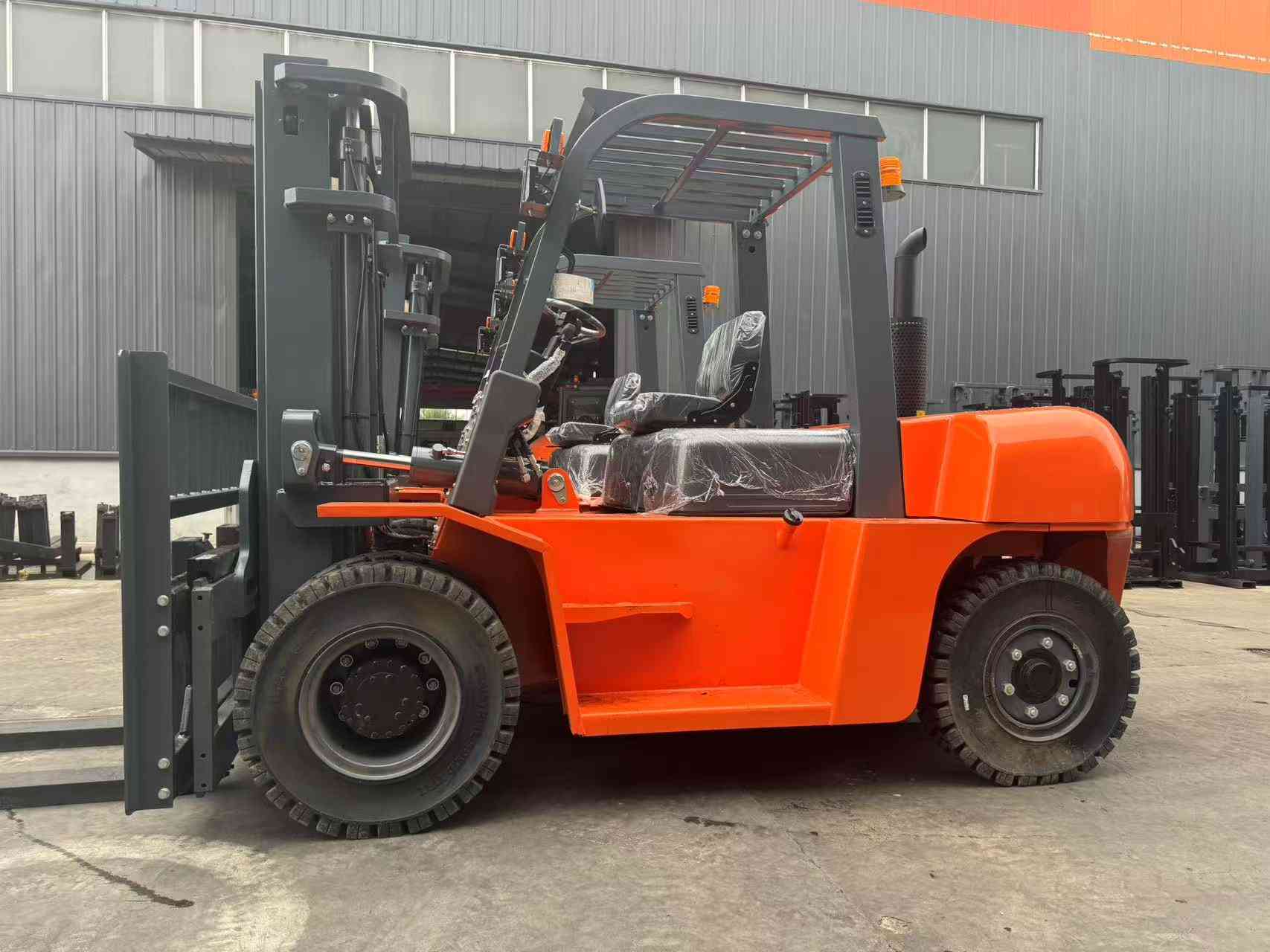
As a core handling equipment in modern logistics, forklifts often encounter various faults due to long-term heavy use. Timely troubleshooting and maintenance are crucial to ensuring operational efficiency. This article outlines practical repair techniques and preventive maintenance strategies for universal forklift issues.
Electrical System Check: Use a multimeter to test battery voltage (normal ≥12V). Replace or recharge the battery if voltage is low; clean corroded terminals and secure connections.
Fuel System Inspection: Verify fuel level and inspect the fuel filter for clogs. Replace the filter element if necessary and check the fuel pump for proper suction.
Ignition System Maintenance: Remove spark plugs to check for carbon buildup. Polish electrodes or replace plugs; test the ignition coil for sufficient spark intensity.
Leak Detection: Visually inspect cylinders, pipe joints, and control valves for oil seepage. Mark leakage points and observe dynamic leaks under system pressure.
Temporary Repairs: Use hydraulic sealant for minor leaks. For ruptured hoses, use a hose clamp with oil-resistant tubing as a temporary fix, replacing with OEM parts promptly.
Pressure Testing: Connect a pressure gauge to check system pressure. Low pressure may indicate pump wear, valve failure, or component damage.
Brake Fluid Check: Verify fluid level in the reservoir and top up with DOT4 brake fluid if needed. Inspect lines for leaks.
Brake Pad Inspection: Remove wheels to measure pad thickness (replace if <2mm). Check brake cylinder pistons for sticking; clean with rust remover or replace components as needed.
Regular Filter Replacement
Replace oil, fuel, and air filters every 500 operating hours to prevent contamination and reduce engine wear.
Hydraulic Oil Management
Test oil viscosity and contamination levels every 1,000 hours. Replace oil immediately if emulsified or dirty, and flush the tank and lines to prevent valve blockages.
Tire Maintenance
Check tire pressure weekly (standard 0.25-0.3MPa) and remove debris from treads. Replace tires at the first sign of sidewall cracks or uneven wear.
Electrical System Care
Inspect wiring for fraying and clean corroded battery terminals. Add distilled water to batteries monthly and apply petroleum jelly to prevent oxidation.
Operational Best Practices
Prohibit overloading, abrupt braking, and high-speed turns. Use parking brakes on slopes to avoid rollaways and mechanical damage.
Forklift repair requires a systematic approach to fault diagnosis and proactive maintenance. Following these troubleshooting steps and preventive measures minimizes downtime and extends equipment lifespan. For complex issues, consult professional technicians to ensure safe and efficient operations.